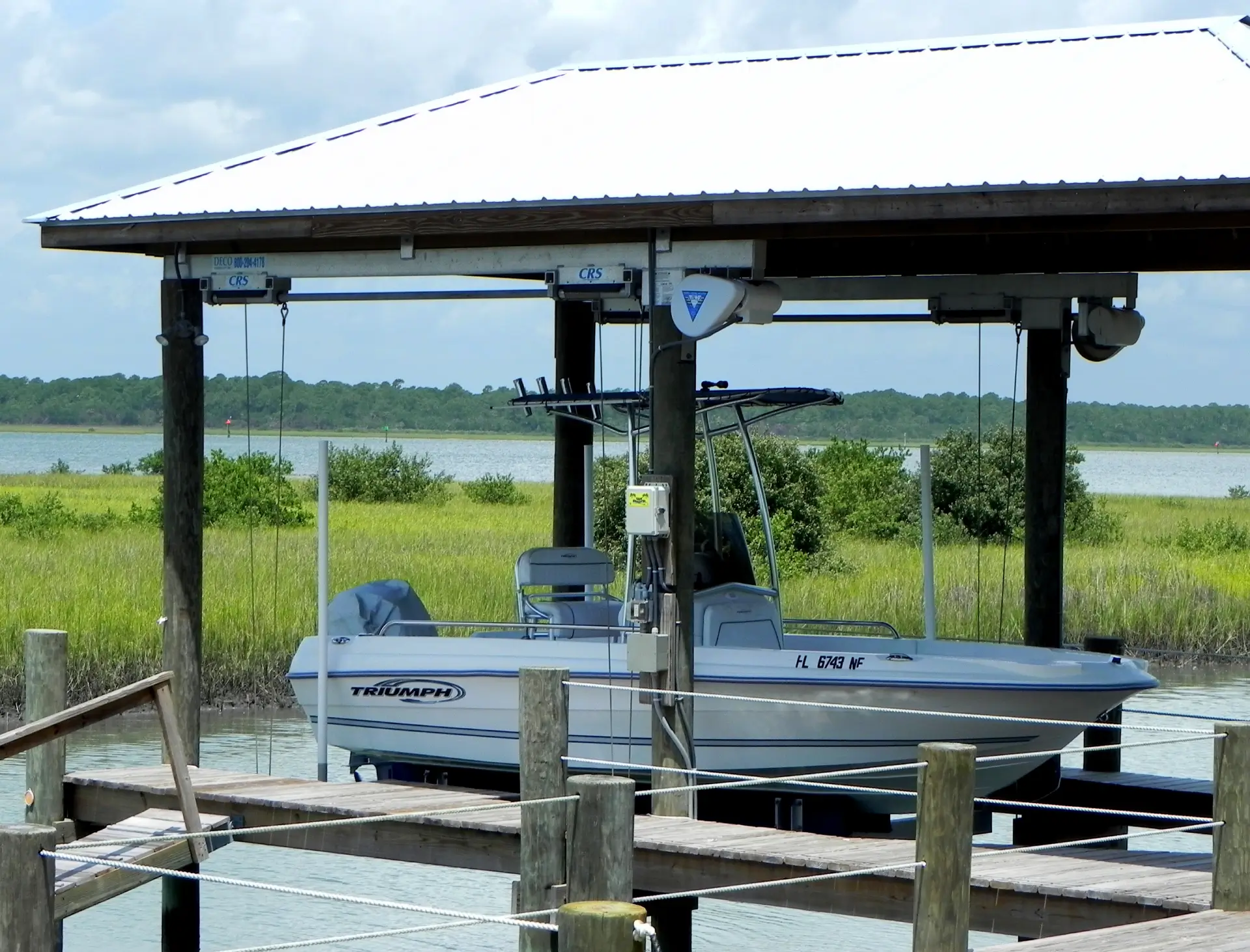



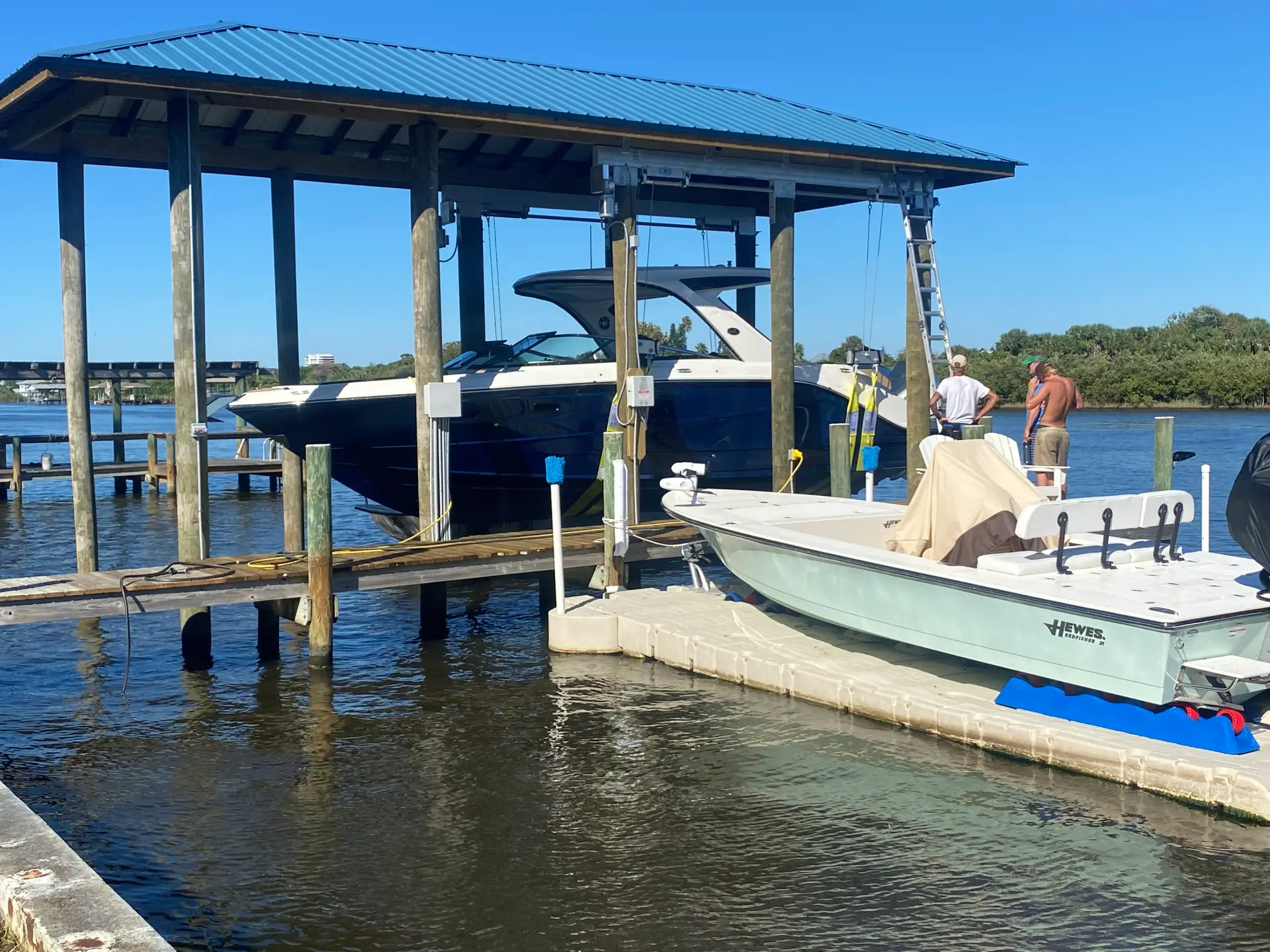
Walk any stretch of the St. Augustine Intracoastal Waterway and look at what is actually holding the docks up. You will not find much exotic hardwood. You will not find much composite framing. What you will find, again and again, is pressure-treated lumber doing the heavy structural work. There is a reason for that, and it goes deeper than cost.
This guide explains why pressure-treated lumber remains the default material for St. Augustine dock construction, how it holds up against the punishing conditions of the Intracoastal, and what homeowners should understand about durability before signing a build contract.
The St. Augustine Marine Environment Is Brutal
Before getting into material specifics, it helps to understand what a St. Augustine dock has to survive. The Intracoastal Waterway here is brackish, tidal, and biologically active. Salt content varies with rainfall and tide stage. Marine borers, including teredo worms and gribbles, attack untreated wood relentlessly below the waterline. Above the waterline, UV exposure, summer humidity, and salt spray break down finishes within a single season. Add hurricane-force winds every few years and storm surge that can submerge an entire structure, and you have a use case that punishes any material that is not specifically engineered for it.
This is the environment pressure-treated lumber has to perform in. And it does, when specified correctly.
What Pressure-Treated Lumber Actually Is
Pressure-treated lumber is softwood, almost always Southern Yellow Pine in this region, that has been forced under pressure to absorb a preservative chemical solution into the wood fibers. The treatment process pushes preservatives deep into the grain rather than just coating the surface, which is why pressure-treated lumber resists rot, fungal decay, and insect attack far longer than untreated wood.
Not all pressure-treated lumber is the same, and this is where homeowners get into trouble. The American Wood Protection Association assigns Use Category ratings that tell you what a given piece is rated for. For St. Augustine dock construction, the relevant categories are UC4B (heavy-duty ground contact, fresh water immersion) and UC5A, UC5B, or UC5C (marine, salt water splash and immersion). A piling rated UC4B has no business being driven into the Intracoastal. It will fail. The treatment retention level required for marine pilings is substantially higher than what you find at a typical lumber yard.
Why It Dominates Over the Alternatives
Several materials compete for dock construction work in Florida. Pressure-treated lumber wins most of the time, and here is why.
Tropical Hardwoods
Ipe, cumaru, and similar dense tropical hardwoods are gorgeous and naturally resistant to rot. They also cost three to five times what pressure-treated lumber costs, require pre-drilling for every fastener, and have supply chains tied to environmental certifications that are not always reliable. For decking on a high-end build, hardwood makes sense. For pilings, framing, and stringers, the economics do not work for most homeowners.
Composite and PVC
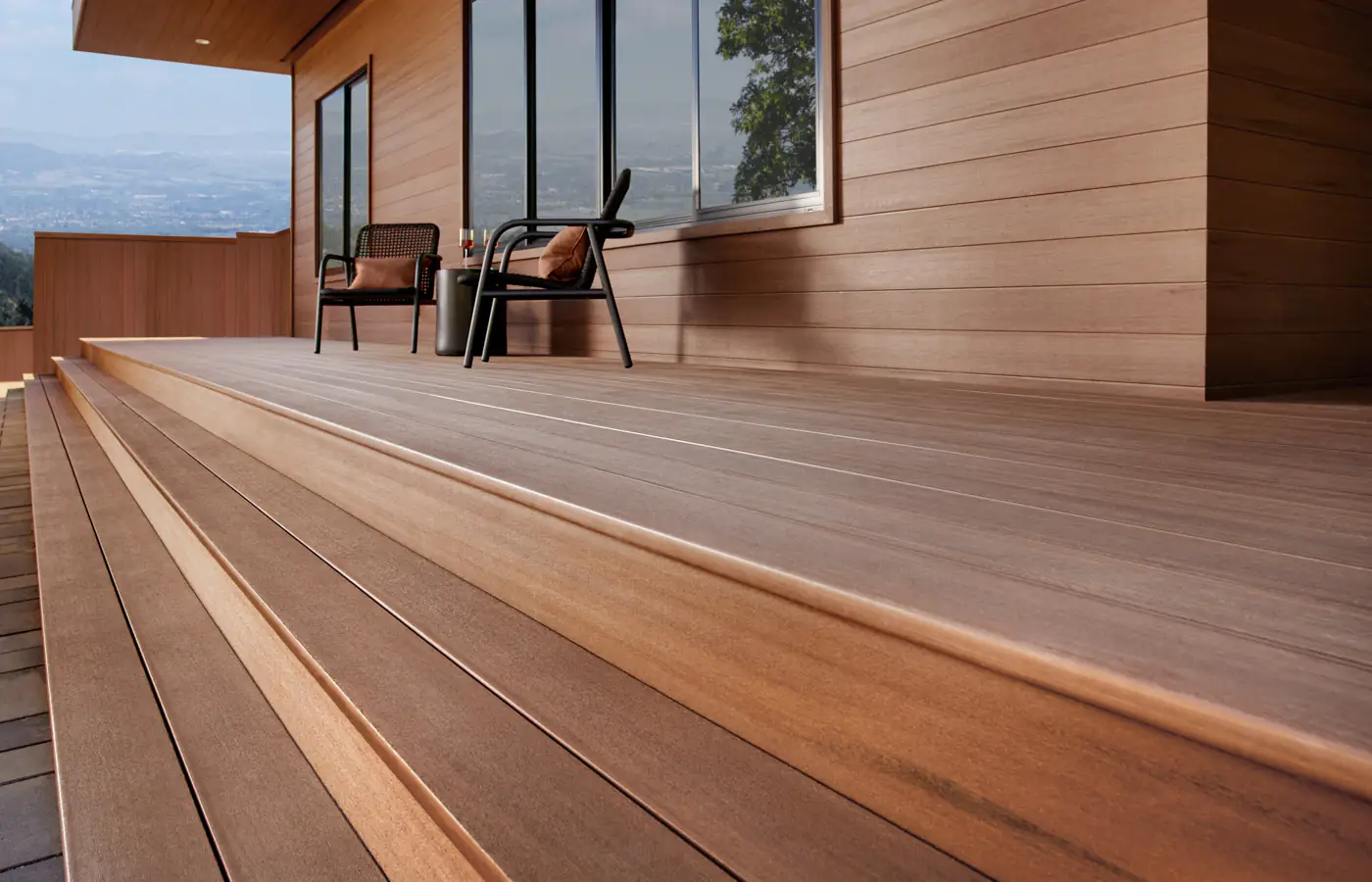
Composite decking has a place in dock construction, particularly for the walking surface where homeowners do not want to refinish every few years. But composite is not a structural material. You cannot drive a composite piling. You cannot frame a dock with composite joists rated for marine loads. Anywhere a composite product appears on a St. Augustine dock, there is pressure-treated lumber doing the structural work underneath.
Concrete and Steel
Concrete pilings appear on commercial docks and larger residential builds, particularly where extreme storm exposure justifies the cost. Steel is rare in residential dock construction here because galvanic corrosion in brackish water is a real problem. Both are viable but expensive. Pressure-treated lumber pilings, properly sized and properly treated, deliver decades of service at a fraction of the cost.
How Long Pressure-Treated Lumber Actually Lasts
The honest answer is that lifespan depends almost entirely on three things. Treatment retention level for the use category, installation quality, and ongoing maintenance.
A properly specified marine-grade pressure-treated piling driven into the St. Augustine Intracoastal should serve 30 to 40 years. Pressure-treated framing members above the splash zone can last 25 to 35 years. Pressure-treated decking, which takes the most UV and foot traffic abuse, typically needs replacement at 15 to 20 years even though the wood itself may still be structurally sound.
Compare that to untreated wood, which will be unusable in the Intracoastal in under three years, and the math becomes obvious.
How ACOE Permits Affect Material Choice
This is where many St. Augustine homeowners get surprised. Your dock material choice is not entirely up to you. The U.S. Army Corps of Engineers, which permits any structure in the Intracoastal Waterway under Section 10 of the Rivers and Harbors Act, has rules about what can go in the water.
Older formulations of pressure-treated lumber used chromated copper arsenate (CCA). CCA is still permitted for marine pilings under specific conditions, but it is restricted in many residential applications because of arsenic leaching concerns. Modern pressure-treated lumber for residential decking uses alkaline copper quaternary (ACQ), copper azole (CA), or micronized copper formulations that are safer for incidental contact but require hot-dipped galvanized or stainless steel fasteners because the copper content accelerates corrosion of standard fasteners.
For ACOE-permitted dock construction in the Intracoastal, your contractor must specify treatment chemistry that meets both federal environmental rules and Florida Department of Environmental Protection requirements. The Corps reviews proposed materials as part of the permit application, and using the wrong treatment chemistry can trigger requests for additional information that delay an already slow permit process. A St. Augustine contractor who builds these docks regularly knows which products clear ACOE review without question and which ones invite scrutiny.
This regulatory layer is another reason pressure-treated lumber dominates. The product category is well-documented, the treatment standards are codified, and ACOE reviewers know exactly what they are looking at. Exotic or unusual materials can stall a permit for months while reviewers verify environmental impact.
Fasteners and Hardware Matter As Much As the Wood
A dock built with the right pressure-treated lumber and the wrong fasteners will fail. Modern treatment chemistry is more corrosive to steel than the older CCA formulations, so St. Augustine dock builds need hot-dipped galvanized fasteners at minimum, with 316 stainless steel preferred for any connection that will see direct salt water contact. Through-bolts are specified over lag screws on structural connections because the salt environment will eventually compromise any fastener, and through-bolts hold longer than threaded engagement in wood.
Skimping on fasteners is the single most common mistake homeowners make when comparing dock construction bids. The lumber bill looks similar across contractors. The hardware specification is where the corners get cut.
Maintenance That Actually Extends Service Life
Pressure-treated lumber does not require sealing to perform, but sealing extends the cosmetic and structural life of the decking significantly. A quality marine-grade sealant applied every two to three years on the deck surface reduces checking, splitting, and surface erosion. Pilings and submerged framing generally do not need surface treatment because the pressure treatment is doing the work where it matters.
Annual inspection is more important than annual sealing. Walk the dock at low tide, check pilings for unusual movement, look for fastener corrosion at high-stress connections, and pay attention to any decking boards that flex more than they used to. Small repairs caught early prevent the kind of structural failures that happen during storms.
The Bottom Line for St. Augustine Homeowners
Pressure-treated lumber dominates St. Augustine dock construction because it delivers the right combination of structural performance, regulatory acceptance, and economic sense. Properly specified marine-grade pressure-treated lumber, paired with corrosion-resistant fasteners and installed by a contractor who understands the ACOE permit landscape, produces docks that survive decades on the Intracoastal Waterway.
The material does not get credit for being exotic or novel. It gets credit for doing the job reliably, year after year, in one of the harshest environments any building material faces. For most St. Augustine waterfront owners, that reliability is exactly the point. Therefore, invest in quality planning by partnering with Maritime Docks and Decks. Our seasoned Intracoastal construction team and in-house permitting experts streamline the entire process, delivering a superior dock tailored to your waterfront.