


PVC decking has become one of the top choices for homeowners who want a durable, low-maintenance outdoor surface that holds up in tough conditions. In Northeast and Central Florida, where heat, humidity, rain, and UV exposure push materials to their limits, PVC performs better than most alternatives.
But before you commit to a PVC deck, there are a few things worth understanding about the material, the installation process, and how it compares to other options.
What Is PVC Decking?
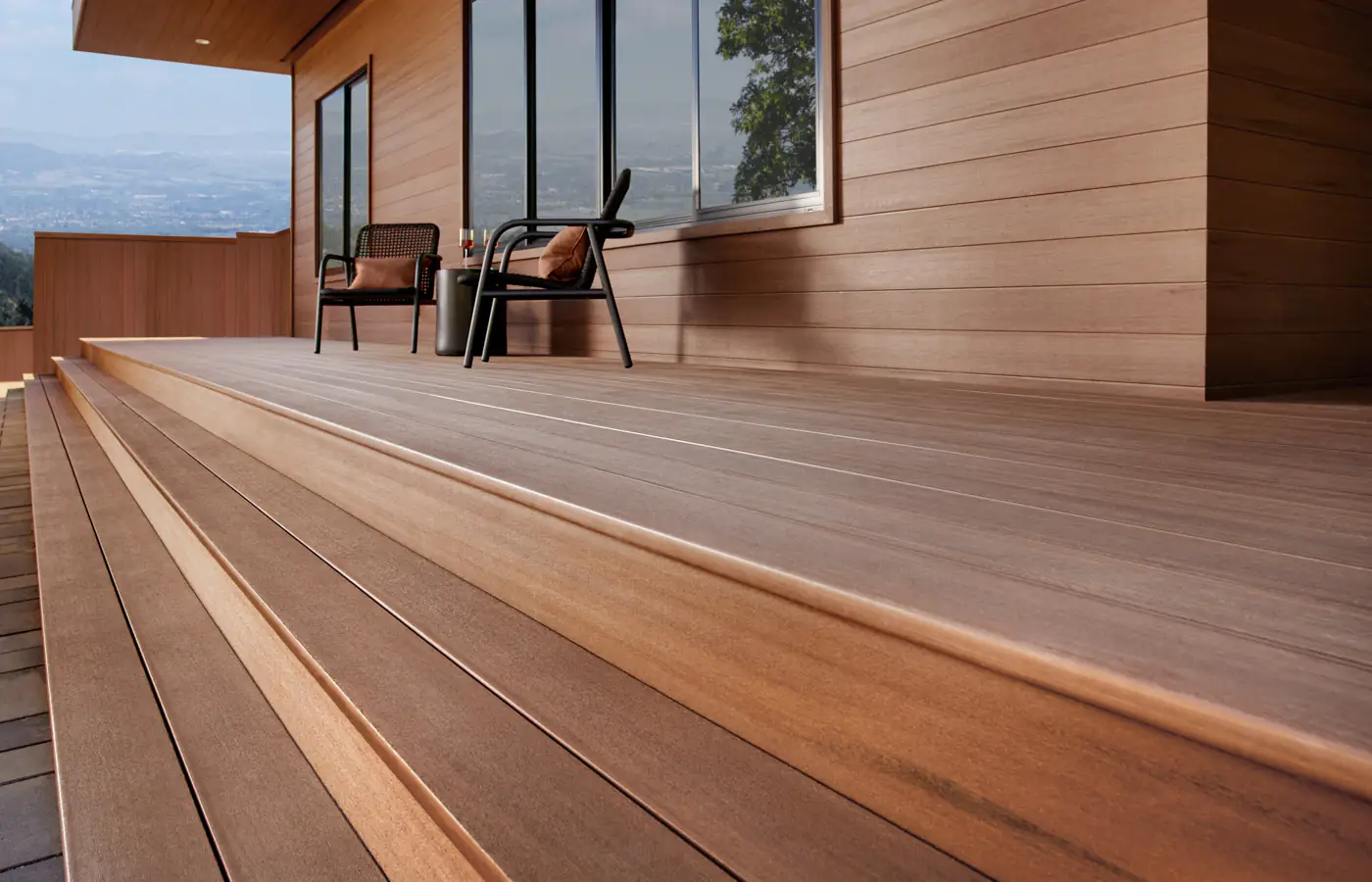
PVC decking is made entirely from polyvinyl chloride, a synthetic material that contains no wood fibers. This sets it apart from composite decking, which blends wood fibers with plastic. Because PVC decking contains no organic material, it does not absorb moisture and will not rot, swell, or support mold growth.
For Florida homeowners who deal with near-constant humidity, salt air along the coast, and heavy afternoon rain, that moisture resistance is one of the strongest reasons to consider PVC decking.
It Handles Florida’s Climate Extremely Well
The combination of intense sun, high humidity, and seasonal storms puts serious stress on outdoor surfaces. PVC decking resists all three.
It does not absorb water, so it will not warp, crack, or swell after a heavy rainstorm. It resists UV fading better than wood and most composite products, which means it holds its color through years of direct Florida sun. And it will not harbor mold or mildew, which are constant concerns in the state’s humid environment.
For decks near pools, along waterfronts, or in coastal areas where salt air accelerates material breakdown, PVC decking offers a level of protection that wood simply cannot match.
Maintenance Is Minimal
One of the biggest advantages of PVC decking is the time you save on upkeep. There is no staining, no sealing, no sanding, and no painting. A periodic wash with soap and water keeps the surface clean.
Compare that to pressure-treated wood decking, which needs staining or sealing every one to three years, or exotic hardwoods like Ipe, which require regular oiling to maintain their appearance. PVC decking eliminates those ongoing tasks and lets you enjoy the space instead of maintaining it.
How PVC Decking Compares to Other Materials
Pressure-Treated Wood
Pressure-treated wood costs less upfront but requires regular maintenance and has a shorter lifespan in Florida’s climate. It absorbs moisture, making it vulnerable to warping, splitting, and mold. PVC decking costs more initially but saves money over time through lower maintenance and longer performance.
Composite Decking
Composite decking falls between wood and PVC in terms of both cost and performance. It contains wood fibers, which means it absorbs some moisture and can be susceptible to mold in very humid environments. PVC decking eliminates that risk entirely because it has no organic content.
Exotic Hardwoods
Hardwoods like Ipe and Tigerwood are naturally durable and beautiful. They are also expensive and still require periodic oiling and maintenance. PVC decking provides comparable longevity with far less upkeep, though the aesthetic is different. Some homeowners prefer the natural grain of hardwood, while others prefer the uniform, clean appearance of PVC.
It Works with Every Deck Style
PVC decking works across virtually every deck design. Platform decks, raised decks, multi-level decks, pool and spa decks, rooftop decks, curved decks, and covered decks all perform well with PVC surfaces.
The material cuts and fastens similarly to wood, so it does not limit your builder’s design options. It works well with hidden fastener systems for a clean, screw-free surface, and it pairs with a wide range of railing materials.
Choose the Right Foundation
A PVC deck is only as strong as the structure beneath it. Proper deck framing and footings ensure the surface stays level, stable, and safe for decades.
Foundation options include helical piers, diamond piers, and traditional concrete footings. In Florida’s sandy and variable soils, helical piers provide reliable anchoring in conditions where traditional footings may shift. Your builder evaluates the soil conditions and recommends the right footing for your property.
Permits and Code Compliance
Most deck projects in the St. Augustine area require a building permit. Setback requirements, height restrictions, and structural codes all apply. Professional permit acquisition keeps your project compliant and avoids problems during inspections or future home sales.
Work With a Builder Who Knows the Material
PVC decking has specific installation requirements that differ from wood and composite. Expansion and contraction rates, fastener spacing, and joist spacing all need to account for the way PVC responds to temperature changes. In Florida, where surface temperatures can climb significantly on hot days, proper installation technique prevents buckling, gapping, and hardware failure.
A builder experienced with PVC decking and the local climate ensures the deck performs the way it should from day one.
Is PVC Decking Worth It?
For Florida homeowners who want a deck that handles moisture, heat, UV, and storms without ongoing maintenance, PVC decking delivers. It costs more upfront than wood but pays for itself through lower upkeep, fewer repairs, and a longer functional lifespan. Maritime Docks and Decks installs PVC decking, composite, pressure-treated wood, and exotic hardwood decks for residential and commercial properties across Northeast and Central Florida. Call +1 386 693 4884 to schedule a design consultation and find the right material for your project.